Buying a Pre-Owned Upright Piano or Grand Piano: What Should You Look For?
Buying a pre-owned upright piano or grand piano — what to look for?
You are looking to purchase a pre-owned upright piano or grand piano — but what should you watch out for? A detailed assessment by a qualified piano builder is strongly recommended when buying privately, in order to avoid unpleasant surprises and unexpectedly high repair costs. However, you should also be vigilant when choosing a piano dealer, particularly when it comes to pre-owned instruments. We have compiled a few tips on what to consider when purchasing a pre-owned grand piano or upright piano.



Important tips for purchasing pre-owned grand pianos and upright pianos
How can you manage the risks involved in purchasing a pre-owned upright piano? Should you buy a pre-owned piano from a dealer rather than from a private seller? In this buying guide, you will find expert tips on how to find a pre-owned upright piano or grand piano that will bring you lasting joy:
- Purchasing a piano from a private seller — following an initial self-assessment — with an evaluation by a piano builder of your choosing
- Credibility of dealers in the pre-owned market: Official brand representatives and a voluntary extended warranty beyond the statutory one-year guarantee are indicators of quality.
- Always compare a pre-owned upright piano or grand piano with the quality of a new one!
The finest upright piano or grand piano is always a brand-new one. Every pre-owned piano should therefore always be compared with a new instrument. If the tone, sustain, tonal volume, or touch response deviate too far from that standard, you should always call into question the quality of the instrument or the feasibility of any potential repairs. Under no circumstances should you compare only pre-owned instruments with one another.



How can you evaluate a pre-owned piano yourself?
Before purchasing a pre-owned upright piano or grand piano, you should form your own impression of the instrument. The following characteristics can be assessed even without specialist knowledge:
Are there any signs of damage on the exterior or interior?
These include, for example, cracks in the soundboard (which can be detected on an upright piano from the back and on a grand piano from below using a bright flashlight).
Do you find the tone of the instrument pleasing?
If the tone of the piano does not appeal to you (and this is always a matter of personal taste), the question is whether a piano builder can still «coax» it into the sound you desire. This is, however, uncertain and amounts to something of a lottery. Check whether all registers are balanced — for instance, that the bass does not dominate to the point where the middle register or treble cannot come through.
How does the touch feel?
Test whether all keys are equally balanced and responsive, and how well and evenly the touch response functions — and thus the dynamics of the instrument. Are the keys «level,» meaning do they all sit at the same height when viewed from the side along the keyboard?

What matters when it comes to pre-owned grand pianos and upright pianos? — Evaluation by an expert
In order to avoid being caught off guard by defects and high repair costs, you should consult a piano builder for a detailed assessment of the individual components. They can conduct a thorough expert evaluation and draw your attention to all weaknesses of a pre-owned grand piano or upright piano. For a piano to produce sound, the interplay of many thousands of components — consisting of wood, felt, leather, and metal — must be perfectly coordinated:
- The Frame (upright piano) or the Rim (grand piano) must be sturdy enough to withstand the compressive and tensile forces within the instrument.
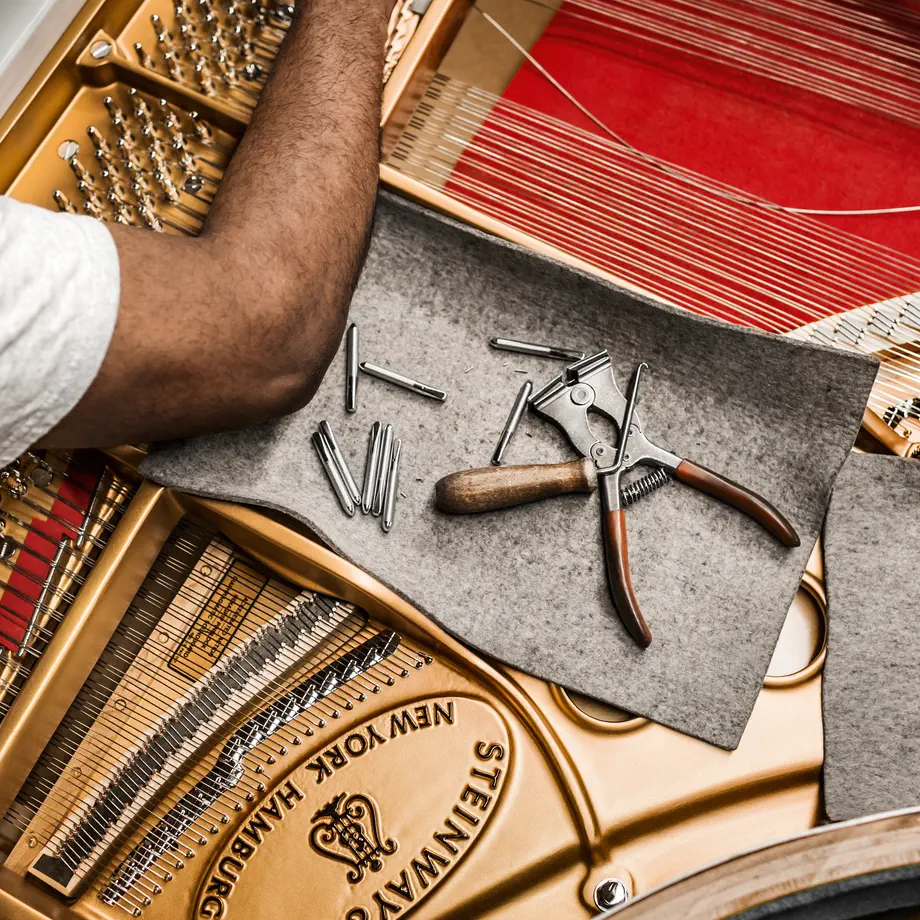
- Since all strings can collectively exert up to 20 tons of tension (and this every second of the day), an intact, perfectly fitted cast-iron plate is indispensable.
- On the keyboard side, the strings are not held by the cast-iron plate, but rather by tuning pins in a pinblock made of wood. This makes it possible, by turning the tuning pins, to bring the upright piano or grand piano to the correct pitch.stimmen.
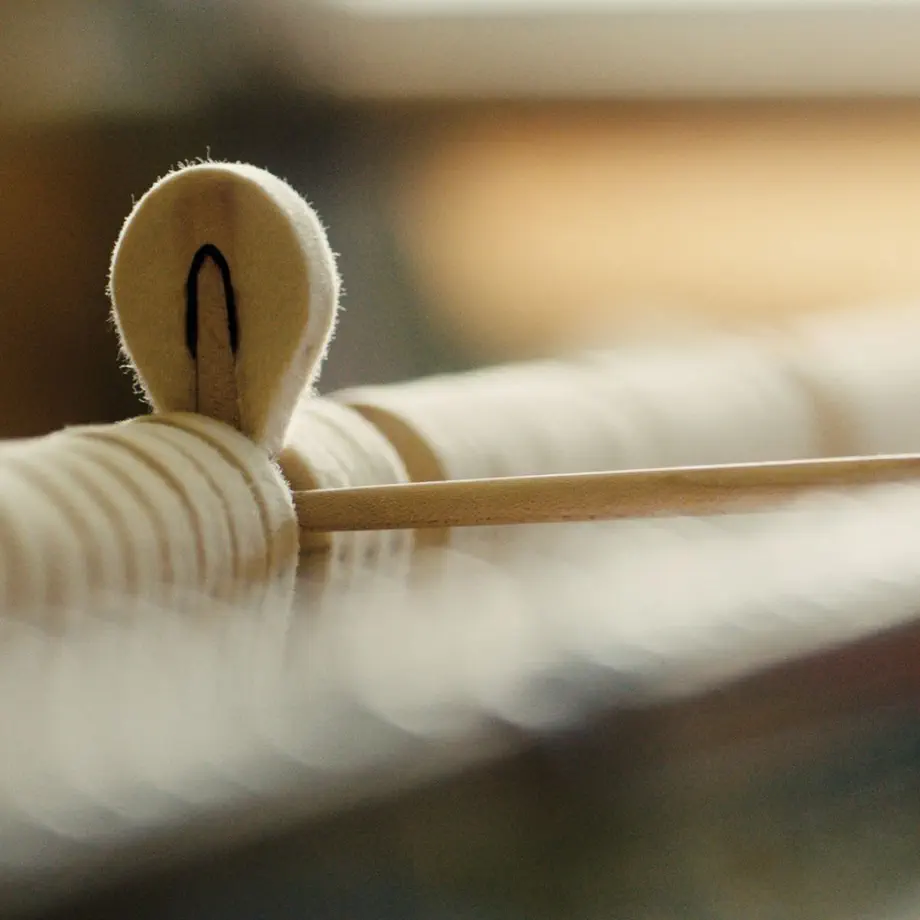
- In order for the strings to be set into vibration, the keys trigger, through an intricate action, the felt-covered hammers out, which in turn strike the strings.
- The strings transmit their vibration via the bridge to the soundboard. This then produces the characteristic — and, one hopes, beautiful — piano tone.
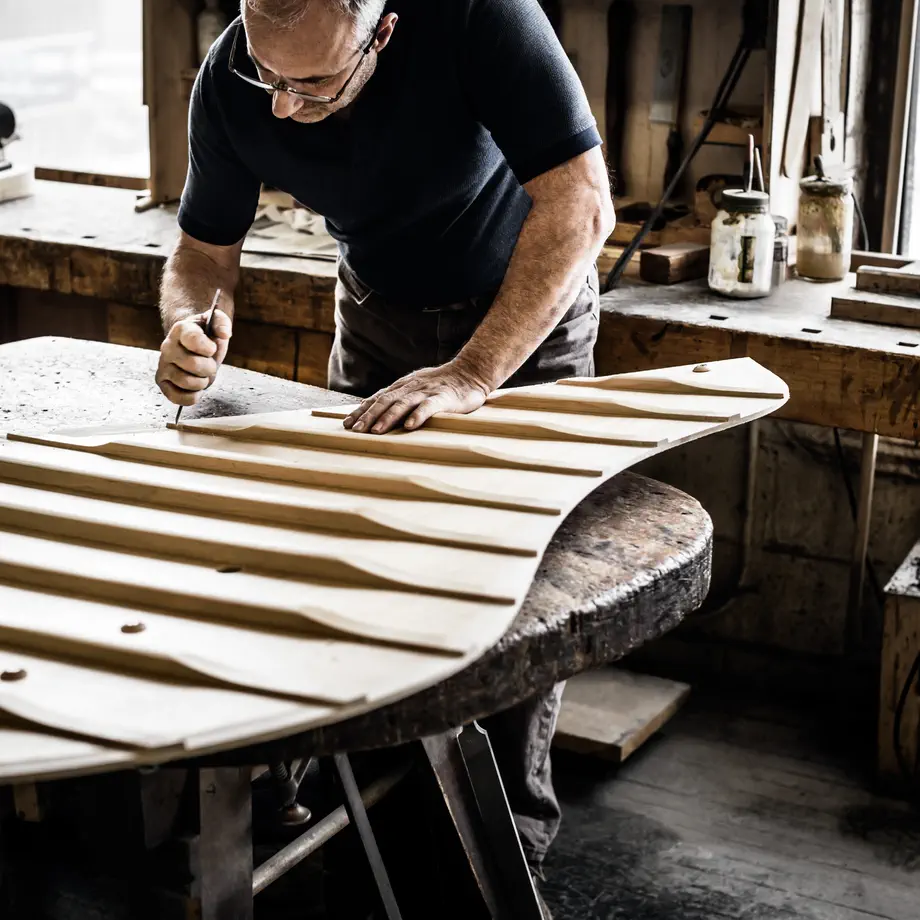
This is only a very rough overview of the components that matter in an upright piano or grand piano. In reality, the smallest details must be attended to in order for you to experience the full pleasure of playing. A qualified piano maker will provide you with a comprehensive assessment of the quality and condition of a pre-owned upright piano or grand piano.

Buying a pre-owned upright piano or grand piano from a private seller
When purchasing from private individuals, you can always have the upright piano or grand piano examined by a piano maker of your choice. Not only the current condition, but also the anticipated cost of repairs — whether immediate or future — can be assessed in the process.
As a point of reference, it is advisable to play an identical or comparable new instrument at a piano dealer for comparison. You should not accept unduly significant compromises in tone or playing experience. Through their experience with the brand, a piano maker or piano dealer is best positioned to assess the differences in quality between a pre-owned and a new piano.
If you purchase a pre-owned grand piano or upright piano from a private seller without any warranty, you should factor in possible additional costs for repairs in order to avoid any unwelcome surprises in terms of price or quality.

Buying a pre-owned upright piano or grand piano from a dealer — what to look for
Piano dealers typically have trained piano makers on their team who, in addition to tuning and minor repairs, can also carry out more extensive restoration work where necessary. Due to economic pressures, however, repair workshops have very often been discontinued, and only certain work is carried out on-site while larger restorations are outsourced. You should therefore request written confirmation of who repaired what and which replacement parts were used.
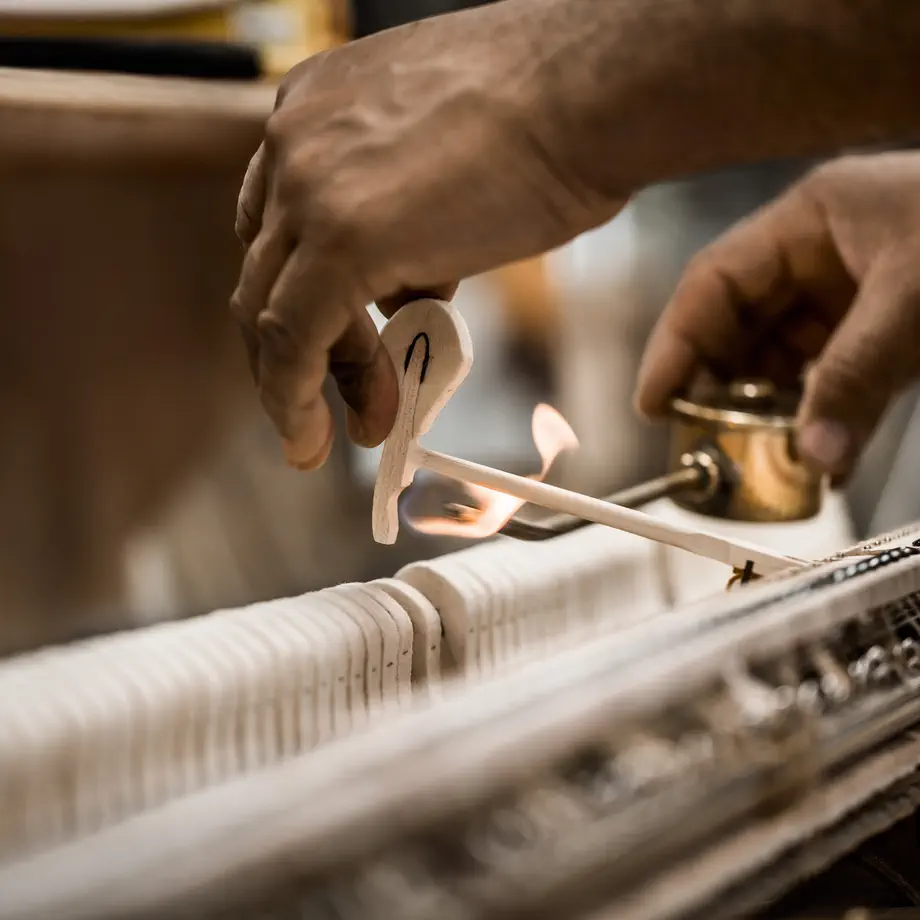
Every piano manufacturer deliberately selects action components such as hammers — or even manufactures them in-house. These replacement parts are also frequently replicated by third-party workshops. It is more than likely that such replicated parts will require a compromise in quality — otherwise, original parts would always be installed. Cost pressure in repairs invariably affects quality, and what appears to be a favorable offer can, regrettably, sometimes prove to be a costly inconvenience in hindsight.
Piano dealers with official brand representation
When a piano dealer holds the official representation of certain brands, this is a significant advantage. The dealer will then possess extensive expertise in that brand, and you will have an excellent point of comparison with new upright pianos and grand pianos right on the premises. Many manufacturers also provide their partners with regular professional training, thereby passing on the greatest possible depth of knowledge.
The importance of a warranty when purchasing pre-owned grand pianos and upright pianos
When selling a pre-owned grand piano or upright piano, dealers are required by law to provide a one-year statutory warranty. However, many concealed defects may only come to light at a later stage. The condition at the time of purchase is always merely a snapshot. A voluntary extension of the warranty is therefore also a good indication of the professional workmanship applied to repaired grand pianos and upright pianos.
What to look for when purchasing pre-owned Steinway grand pianos and upright pianos?
Our expert explains in the video, what matters when it comes to pre-owned grand pianos and upright pianos! Learn what you should pay particular attention to when considering high-quality Steinway pianos on the pre-owned market.

Pre-OwnedSteinway Pianos

New Grand Pianos & New Upright Pianos
Which upright piano or grand piano is right for you?
Whether pre-owned or new — grand pianos and upright pianos are, with proper care, exceptionally long-lasting, and one may purchase only a single piano in a lifetime — unlike, for example, buying a car. You should therefore weigh your decision carefully.
There are many brands and suppliers, a wide range of quality, and thus a wide range of prices. You should ask yourself the following questions at the outset of your decision-making process:
- Grand Piano or Upright Piano?
- What spatial conditions — and, importantly, what «climate» conditions — does my home offer?
- What is my budget?
- Which brands are potentially of interest?
- Is a pre-owned piano an option, or would you prefer a neues instead?
- What is the maximum age you would consider for a pre-owned instrument?
- What is my current level of playing, and where would I like to be in the future?
- What might the potential resale value be, if, for example, the children decide not to pursue a career as a pianist?
Which piano is right for you? You will find further helpful information on purchasing a grand piano or upright piano in our Buying Guide.

Do you have questions about pre-owned pianos? — Contact us!
Pre-Owned Grand Pianos and Upright Pianos offer attractive opportunities for exceptional instruments, provided you approach the potential risks with expert knowledge. We are happy to help you find a piano whose quality you can trust for years to come. We look forward to hearing from you and answering all of your questions. Simply fill out our contact form with no obligation.